
In addition to breathtaking landscapes and unique biodiversity, the Mediterranean Sea also hides a curious phenomenon: the so-called “Neptune balls”. These round clusters, formed by fibers of the seagrass Posidonia oceanica, are frequently found on beaches and have revealed an important role in combating plastic pollution.

Researchers from the University of Barcelona have identified that these natural structures, in addition to providing shelter for numerous species and helping to slow down ocean currents, can trap microplastics that accumulate on the ocean floor. These fragments, typically smaller than 5 mm, come from bags, bottles, and fishing nets, and pose a significant threat to the health of ecosystems and even humans.
When Posidonia leaves its leaves in the autumn, they intertwine into resilient fibers, forming dense balls. In this process, they trap plastic particles. With the movement of the waves, these balls are carried to the shore, bringing some of the pollution back out of the ocean.
It is estimated that Posidonia meadows in the Mediterranean can remove up to 900 million plastic fragments from the water each year. In addition to its natural role in protecting biodiversity and storing carbon, the plant proves to be an unexpected ally in the fight against the waste suffocating the seas.
About The Author


More
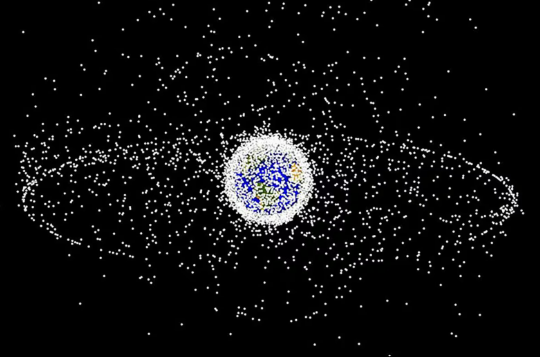
♻️ Recycling Space Debris Could Be the Key to Keeping Earth’s Orbit Safe
Juice Probe Captures Images of Active Interstellar Comet 3I/ATLAS, Suggesting Possible Double Tail
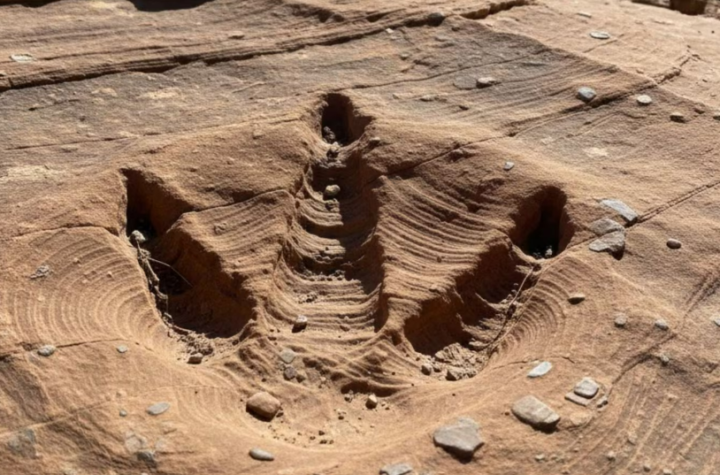
Largest Collection of Fossilized Carnivorous Dinosaur Tracks Ever Found Surprises Scientists in Bolivia