
A group of researchers has uncovered fossilized dinosaur eggs containing crystal formations inside, estimated to be around 85 million years old. The discovery took place at the Qinglongshan archaeological site in the Yunyang Basin, China, and was recently published in the scientific journal Frontiers in Earth Science.
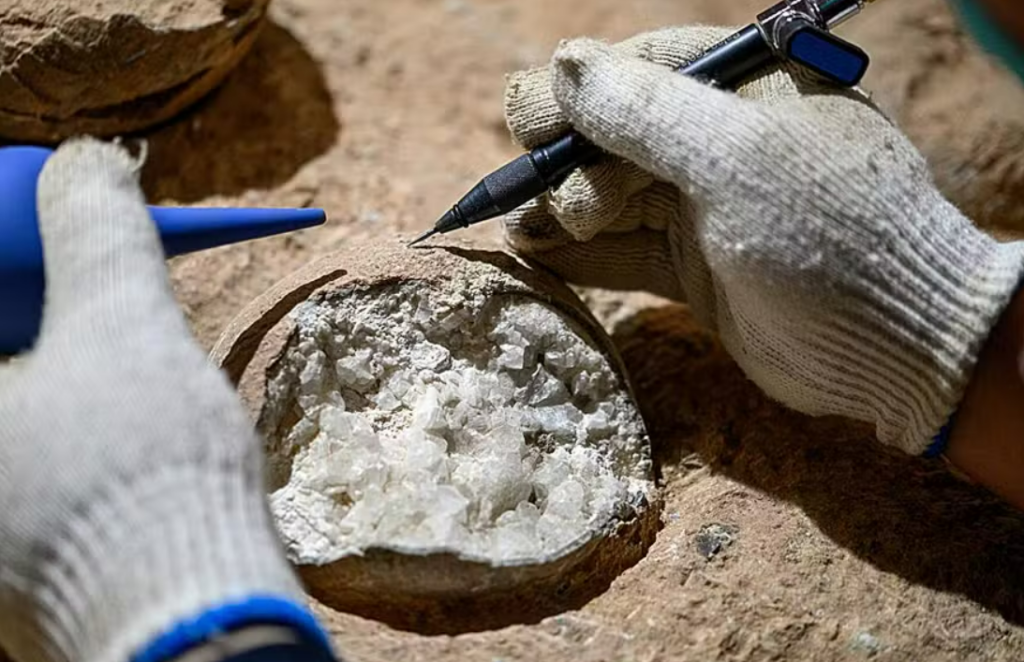
What makes this study unique is the method used to determine the age of the fossils. For the first time, scientists applied uranium-lead carbonate (U-Pb) dating to dinosaur eggs. This technique works like a “natural clock”: as uranium steadily decays into lead, researchers can precisely calculate the fossil’s age.
According to Bi Zhao, a researcher at the Hubei Institute of Geosciences, “the results show that these eggs were laid during the Late Cretaceous, about 85 million years ago, providing the first solid chronological estimates for this type of fossil.”
Qinglongshan is remarkable for being the first national reserve in China to preserve dinosaur egg fossils. More than 3,000 specimens have already been identified across three distinct sites. Most are preserved in sedimentary rocks such as sandstones, siltstones, and breccias. The analyzed eggs stood out for being exceptionally well-preserved, with only minor deformations.
Experts believe they belonged to the species Placoolithus tumiaolingensis, from the Dendroolithidae family, known for its highly porous eggshells.
Beyond providing insights into dinosaurs, this discovery also sheds light on the planet’s ancient environment. During the Cretaceous, intense volcanic activity released gases that altered the climate, reduced oxygen levels in the oceans, and contributed to mass extinction events.
Now, with the new dating method, these fossils also serve as natural records that help unravel Earth’s climate history millions of years ago.
About The Author

More
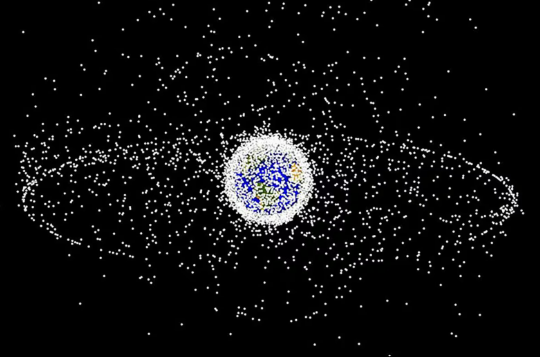
♻️ Recycling Space Debris Could Be the Key to Keeping Earth’s Orbit Safe
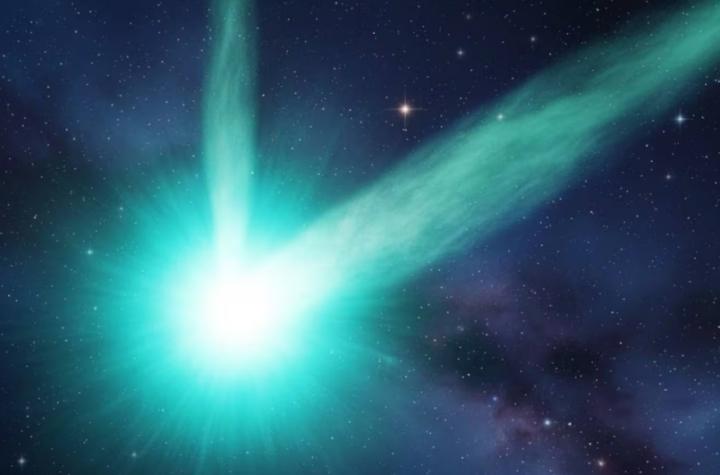
Juice Probe Captures Images of Active Interstellar Comet 3I/ATLAS, Suggesting Possible Double Tail
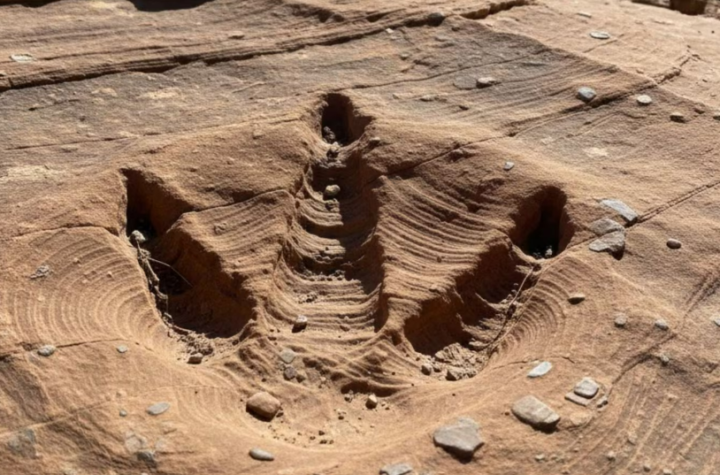
Largest Collection of Fossilized Carnivorous Dinosaur Tracks Ever Found Surprises Scientists in Bolivia