
A newly identified native bee species has caught the attention of Australian scientists — not just for its appearance, but for its tiny “horns,” which inspired its striking name: Megachile lucifer.
The discovery took place in the remote Bremer Range, in the Goldfields region of Western Australia, about 470 kilometers east of Perth. Researchers came across the bees while studying a rare wildflower that grows exclusively in the area.

According to biologist Kit Prendergast from Curtin University, the “horns” appear only on females and may serve several purposes — from collecting pollen and nectar to manipulating materials like resins used to build their nests.
The name Lucifer was chosen in a rather unusual way. “While describing the species, I happened to be watching the Netflix series Lucifer, and the name just fit perfectly. Besides, in Latin, ‘Lucifer’ means ‘light-bringer,’ which ties in beautifully with the idea of shedding light on the need to protect native bees,” explained Prendergast.
The study, published in the Journal of Hymenoptera Research, also issues a warning: both the newly discovered bee and the rare flowers it depends on inhabit a very restricted area, making them vulnerable to habitat loss and climate change. For this reason, scientists are urging that the region be officially designated as a protected conservation zone.
Prendergast also pointed out that many mining companies operating nearby fail to include native bees in their environmental impact assessments — which could lead to the extinction of undiscovered species.
“Without understanding which native bees exist and which plants they rely on, we risk losing both before we even realize their vital role in maintaining fragile ecosystems,” the researcher warned.
About The Author


More
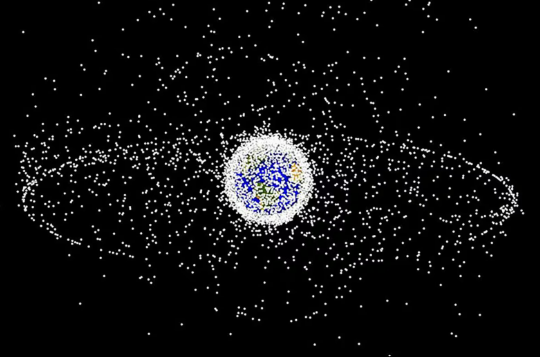
♻️ Recycling Space Debris Could Be the Key to Keeping Earth’s Orbit Safe
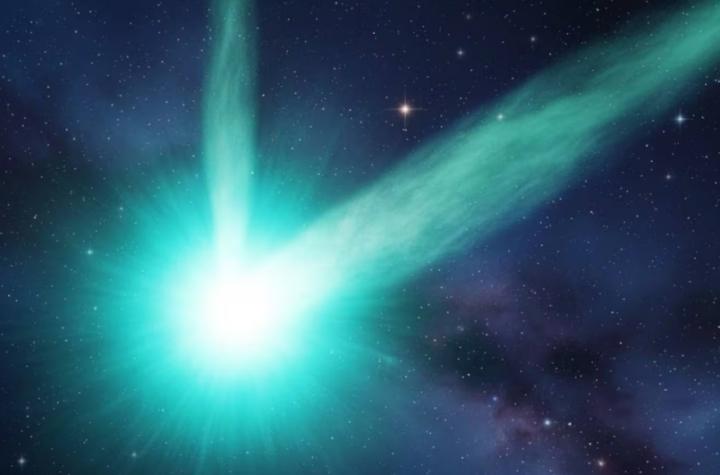
Juice Probe Captures Images of Active Interstellar Comet 3I/ATLAS, Suggesting Possible Double Tail
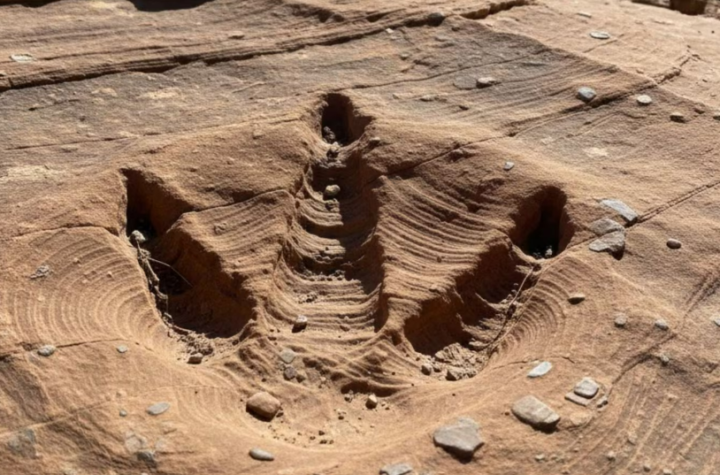
Largest Collection of Fossilized Carnivorous Dinosaur Tracks Ever Found Surprises Scientists in Bolivia