
A recent scientific expedition led by Chinese researchers has unveiled a fascinating discovery: live vertebrate creatures were recorded at depths exceeding 9,000 meters in one of the most unexplored regions of the Pacific Ocean.

Between July and August 2024, the team conducted 24 deep-sea dives using a state-of-the-art submersible specifically designed to withstand the crushing pressure of ocean trenches. This marks the first time vertebrate marine life has been visually documented at such extreme depths.
The environment encountered is drastically different from the marine habitats we’re familiar with: completely devoid of sunlight, extremely cold, and under immense pressure, survival here relies on chemosynthesis — a process where bacteria convert substances like methane or sulfur into energy, forming the base of a unique and resilient food chain.
Beyond capturing these rare and extreme life forms, the mission also opens the door to the potential discovery of new, undocumented species, which could greatly expand our understanding of deep-sea biodiversity.
This groundbreaking expedition raises new questions about the limits of life on Earth and highlights the importance of exploring the most remote underwater ecosystems. Each descent into these hidden zones reminds us just how many mysteries the ocean still holds — and how much we have yet to discover.
About The Author

More
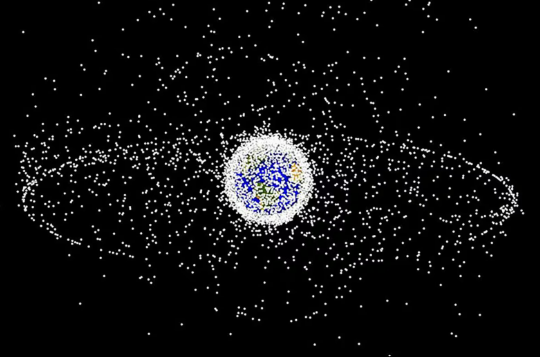
♻️ Recycling Space Debris Could Be the Key to Keeping Earth’s Orbit Safe
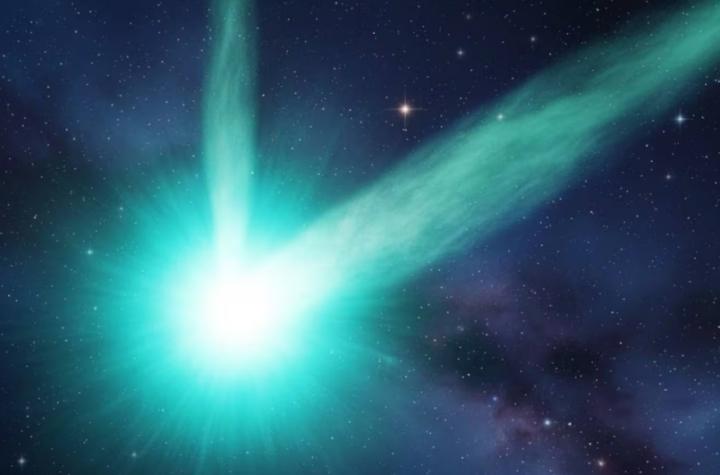
Juice Probe Captures Images of Active Interstellar Comet 3I/ATLAS, Suggesting Possible Double Tail
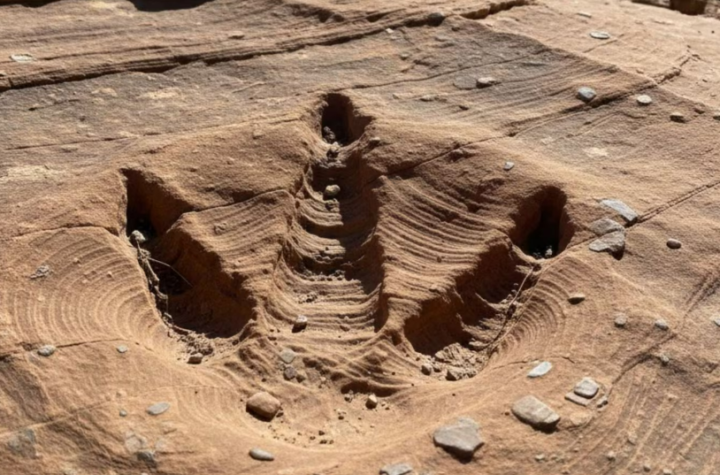
Largest Collection of Fossilized Carnivorous Dinosaur Tracks Ever Found Surprises Scientists in Bolivia