
A fossil discovered more than three decades ago in central China is sparking new debates about humanity’s history. The find is a heavily damaged skull unearthed along a riverbank in Hubei province. Now, after a detailed digital reconstruction, scientists believe it to be around 1 million years old and possibly linked to little-understood lineages such as the so-called “Dragon Man” and the Denisovans — a mysterious ancestral group that left genetic traces in modern human populations.

The research team compared this fossil with over 100 other ancient skulls and reached conclusions that could significantly reshape the human evolutionary timeline. The study, published in Science, suggests that the split between different hominid groups occurred much earlier than previously thought.
Until now, it was believed that Homo sapiens and Neanderthals diverged more recently. But the new findings indicate that as far back as 1 million years ago, our ancestors were already divided into distinct branches. This discovery reinforces the idea that human evolution was far more complex, involving interactions and interbreeding among archaic populations.
The skull analyzed is part of a set of fossils found in the 1980s and 1990s in Yunxian. More recently, in 2022, another specimen was uncovered in the same region and is still under study. For scientists, fossils of this age are extremely rare and critical for filling the gaps in our evolutionary tree.
About The Author


More
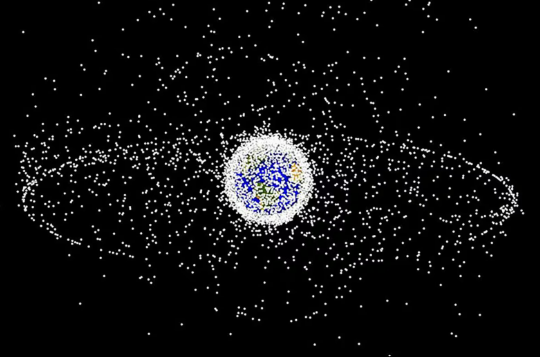
♻️ Recycling Space Debris Could Be the Key to Keeping Earth’s Orbit Safe
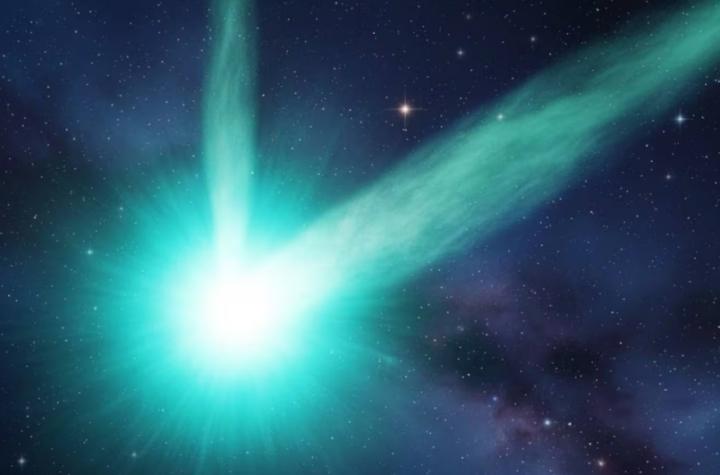
Juice Probe Captures Images of Active Interstellar Comet 3I/ATLAS, Suggesting Possible Double Tail
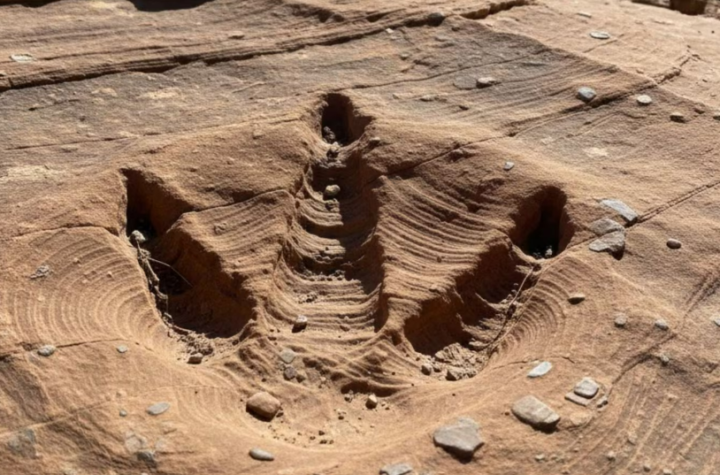
Largest Collection of Fossilized Carnivorous Dinosaur Tracks Ever Found Surprises Scientists in Bolivia