
Long before the famous embalming techniques of Ancient Egypt, peoples of Southeast Asia were already practicing ingenious methods of body preservation. Researchers have found evidence that hunter-gatherer communities, around 12,000 years ago, carried out rituals of smoke-based mummification — a method that predates Egyptian mummies by thousands of years.
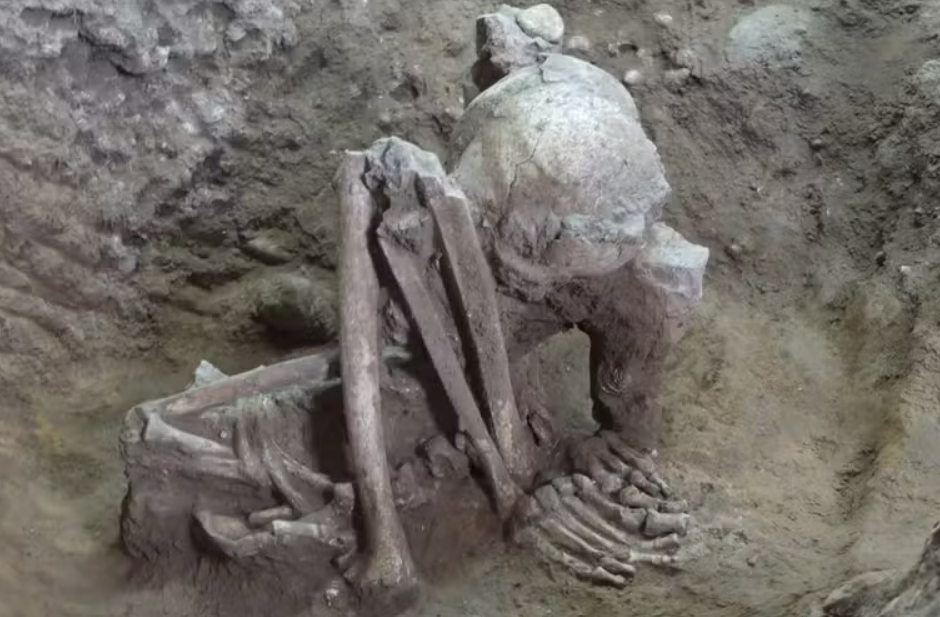
The study, published in the journal Proceedings of the National Academy of Sciences, shows that communities living in southern China, Borneo, Java (modern-day Indonesia), and surrounding regions used a ritualistic process: bodies were placed in a crouched position and exposed for months to the smoke of low-intensity fires. The smoke slowly dehydrated the skin while helping preserve bones and tissues.
This technique has parallels with traditions still observed among some Indigenous groups in Australia and Papua New Guinea.
According to archaeologist Hsiao-chun Hung from the Australian National University, the discovery is remarkable in scope:
“It is striking how this practice spread among different peoples and endured for thousands of years.”
During the analyses, scientists examined remains from 95 archaeological sites and conducted tests on 54 skeletons, finding clear signs of prolonged heat exposure, such as dark stains and molecular changes in the bones.
The practice seems to be linked to ancestral beliefs that preserving the body was a way of keeping the memory and presence of the deceased alive among the living.
This finding also reframes other known traditions: the Chinchorro people in present-day Chile developed their own mummification techniques around 7,000 years ago, while the Egyptians began using resins and oils roughly 6,300 years ago.
Now, researchers plan to expand their studies to even older burials — up to 20,000 years — to investigate whether smoke mummification has even deeper roots in human history.
About The Author




More
♻️ Recycling Space Debris Could Be the Key to Keeping Earth’s Orbit Safe
Juice Probe Captures Images of Active Interstellar Comet 3I/ATLAS, Suggesting Possible Double Tail
Largest Collection of Fossilized Carnivorous Dinosaur Tracks Ever Found Surprises Scientists in Bolivia