
A new device is set to revolutionize research on coral reefs and marine organisms. It’s a lightweight, high-precision portable microscope that allows researchers to directly observe microscopic details of corals and the algae that live symbiotically with them — all while underwater.

Developed by scientists and engineers at the University of California, San Diego, the device has been named BUMP (short for Benthic Underwater Microscope with PAM Imaging). It combines advanced optical technology with a touchscreen interface, all powered by a compact battery. The entire system is small enough to fit in a case, making it easy for divers to carry without the need for a support boat.
The first images captured with the BUMP are already impressive. Published in the journal Methods in Ecology and Evolution, they reveal the photosynthetic activity of microscopic algae living inside coral tissues — something that was previously impossible to observe in such detail and in their natural environment.
According to lead researcher Or Ben-Zvi, the innovation brings hope amid the crisis facing coral reefs. “We can now study these symbiotic algae directly inside living corals without removing them from their habitat. This is essential for better understanding the bleaching process that threatens reefs around the world,” she explained.
These microalgae, only about 10 micrometers (or 0.01 millimeters) in size, are invisible to the naked eye but are vital for coral survival. Through photosynthesis, they provide nutrients to the coral. However, under environmental stress, corals expel them, becoming pale and vulnerable — a phenomenon known as coral bleaching.
The new microscope measures red fluorescence emitted by chlorophyll in the algae, which indicates the efficiency of photosynthesis. This could help researchers detect early signs of stress in reefs and develop more effective conservation strategies.
With this innovation, scientists now have a powerful new tool to help protect one of the planet’s most fragile and essential ecosystems.
About The Author

More
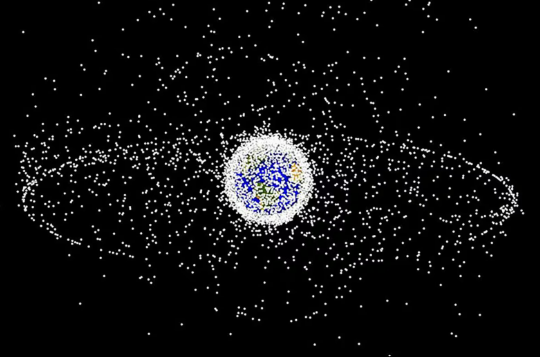
♻️ Recycling Space Debris Could Be the Key to Keeping Earth’s Orbit Safe
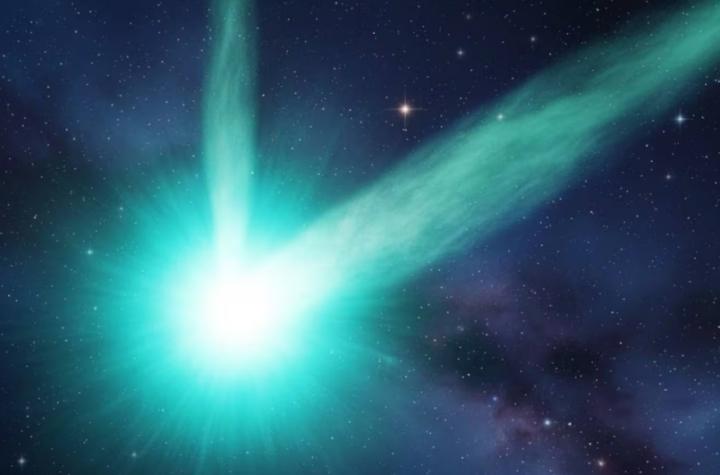
Juice Probe Captures Images of Active Interstellar Comet 3I/ATLAS, Suggesting Possible Double Tail
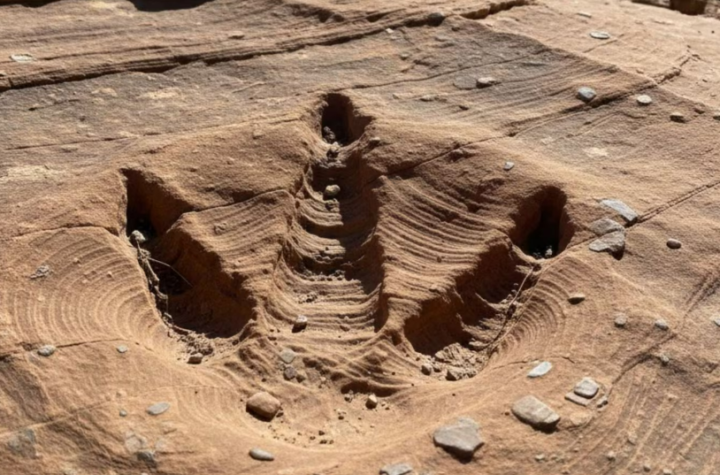
Largest Collection of Fossilized Carnivorous Dinosaur Tracks Ever Found Surprises Scientists in Bolivia