
In a stunning discovery deep within Tasmania’s forests, an Australian photographer has captured a rare and fascinating phenomenon: a small marsupial glowing under ultraviolet light, in the wild.

The image was taken by Ben Alldridge, who used a special UV light technique to photograph the nocturnal animal. The subject of the shot is a Dasyurus viverrinus, a marsupial native to Australia that resembles a small wild cat and is known for its nighttime activity.
What makes this photo truly remarkable is the animal’s natural glow, a phenomenon known as biofluorescence — when a living organism absorbs ultraviolet light and re-emits it in visible colors, often in shades of blue or green. This is the first time this effect has been photographed in a marsupial in its natural habitat, marking a significant step forward in understanding the nighttime behavior of Australia’s wildlife.
While biofluorescence is already known to occur in a variety of animals — including corals, insects, spiders, fish, and even some mammals like armadillos, zebras, and polar bears — scientists are still unsure of its exact function. It may play a role in communication, camouflage, or navigation in the dark.
With this unprecedented image, Alldridge joins a growing group of researchers and photographers working to uncover the mysteries of animal behavior at night. His work has not gone unnoticed — the image earned him the 2025 Beaker Street Science Photography Prize, one of Australia’s most prestigious scientific recognitions.
This discovery highlights the importance of preserving natural habitats and reminds us that nature still holds many surprising secrets, just waiting to be revealed under a different light.
About The Author

More
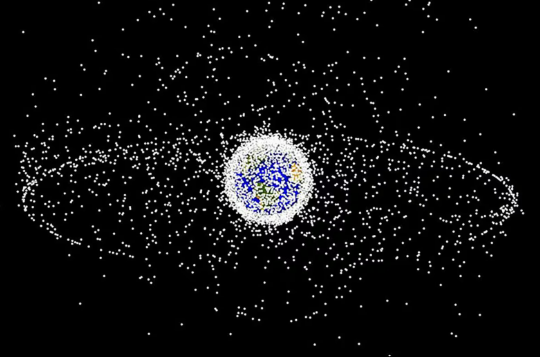
♻️ Recycling Space Debris Could Be the Key to Keeping Earth’s Orbit Safe
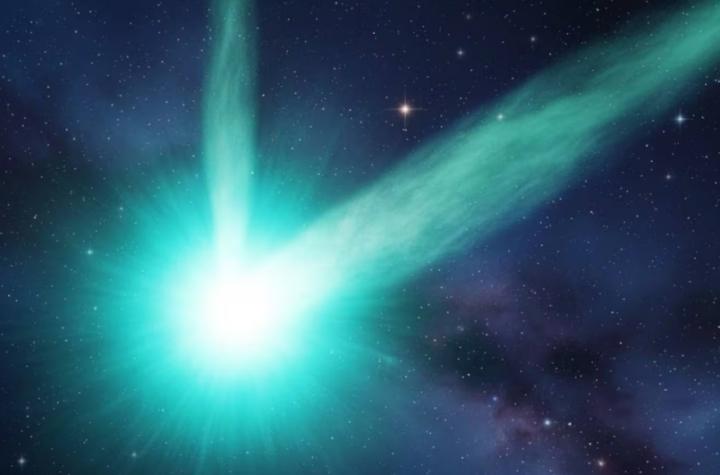
Juice Probe Captures Images of Active Interstellar Comet 3I/ATLAS, Suggesting Possible Double Tail
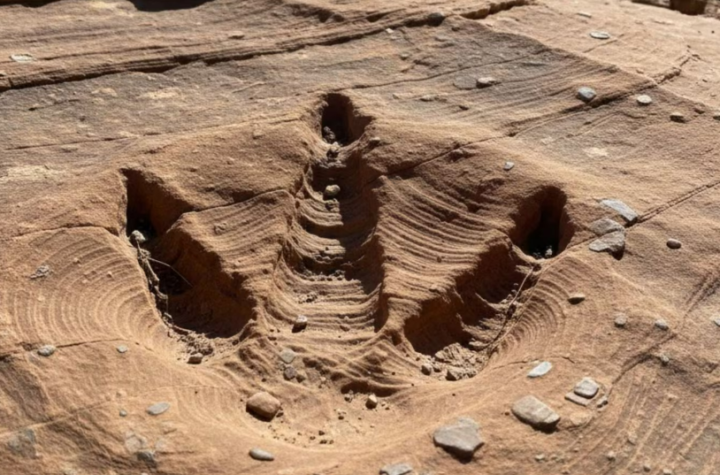
Largest Collection of Fossilized Carnivorous Dinosaur Tracks Ever Found Surprises Scientists in Bolivia