
Good news for the environment: the ozone layer is on the path to recovery and, if progress continues, it could be fully restored within the next few decades. This is the conclusion of a recent bulletin released by the World Meteorological Organization (WMO).
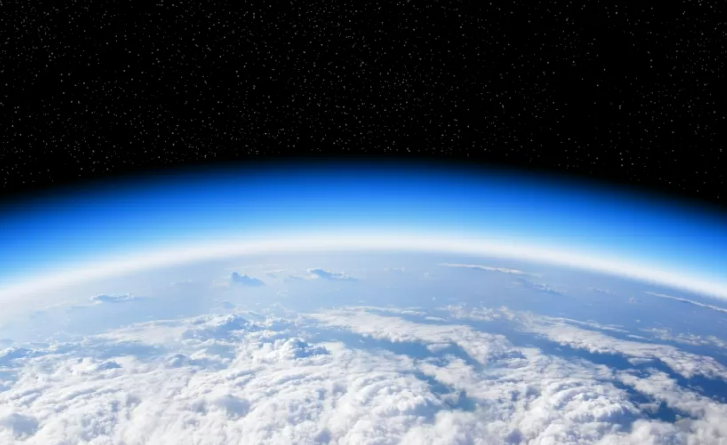
The famous ozone “hole” that appears annually over Antarctica was smaller in 2024 compared to previous years. For the UN, this is an encouraging sign for both the planet and human health. “Today, the ozone layer is healing,” stated António Guterres, Secretary-General of the United Nations. He emphasized that the levels recorded in the 1980s could be reached again by the middle of this century.
🔬 Why is the ozone layer so important?
Located between 11 and 40 km above Earth’s surface, this layer acts as a natural shield against harmful ultraviolet rays from the sun. Without it, the risks of skin cancer, DNA damage, and weakened immune systems would increase among living beings.
🤝 The power of international cooperation
The decline of the ozone layer was first identified in the 1970s, when scientists discovered that chlorofluorocarbons (CFCs) — commonly used in aerosol sprays and refrigeration systems — were largely responsible for its depletion. A global response came in 1987 with the Montreal Protocol, which called for the gradual elimination of these substances. Thanks to this treaty, more than 99% of CFCs have been phased out over the past decades.
📊 Looking ahead
According to estimates from the United Nations Environment Programme (UNEP), if current policies remain in place, ozone levels could return to 1980 standards by around 2040 across most of the planet, by 2045 in the Arctic, and around 2066 over Antarctica.
This recovery demonstrates how science and international cooperation can work together to reverse even the greatest environmental challenges. 🌱
About The Author


More
♻️ Recycling Space Debris Could Be the Key to Keeping Earth’s Orbit Safe
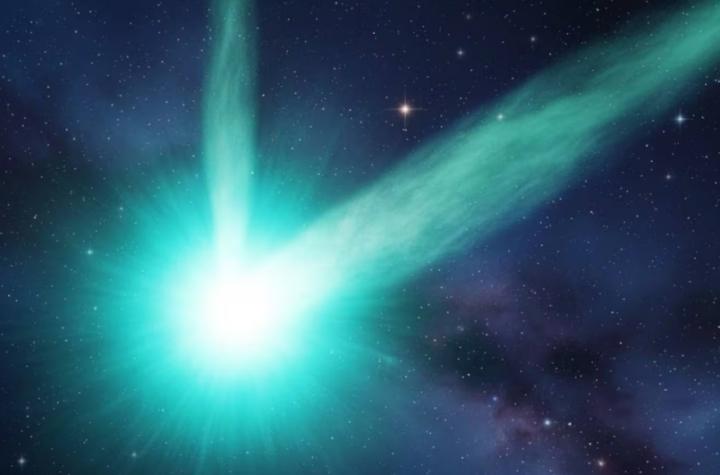
Juice Probe Captures Images of Active Interstellar Comet 3I/ATLAS, Suggesting Possible Double Tail
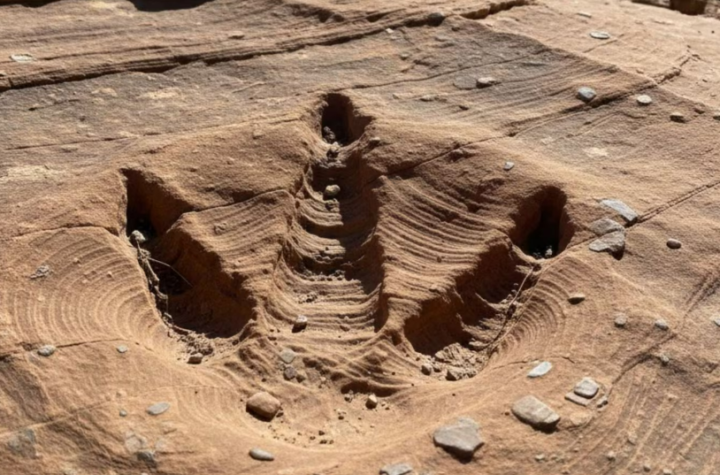
Largest Collection of Fossilized Carnivorous Dinosaur Tracks Ever Found Surprises Scientists in Bolivia